Weight Loss
With obesity affecting 5 per cent of the country's total population, weight loss is top priority for many. However, we also know that losing weight is no cakewalk. A combination of a healthy diet and regular workout is the key to healthy and sustainable weight loss. Many people have a misconception that losing weight requires them to follow some extreme diet like keto or intermittent, which is wrong. Losing weight requires one to eat a balanced diet with the right proportions of all food groups. In fact, the foods that one has been accustomed to eating since childhood is the best option to lose weight, rather than eating new, expensive and fancy foods. To know if Indian diets can help one's lose weight, Dt. Aishwarya Sharma, Chief Dietitian of Nourishh says that there are three basic rules to lose weight.
- Eating early dinner
- Avoiding sugar
- Avoiding junk
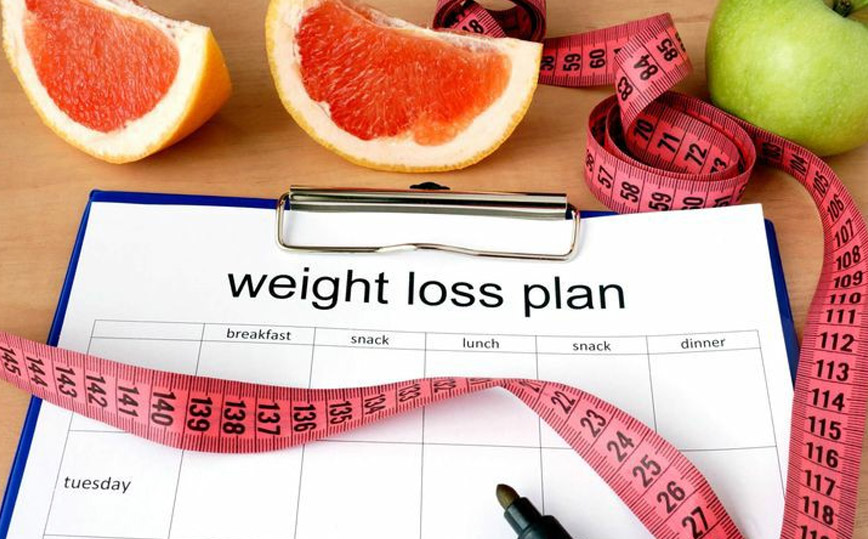
Indian diet for weight loss, Good old dals, low-fat paneer, lentils, soya, green vegetables, curd, egg whites, whole grain flours, fish, chicken provide us with all the essential nutrients, vitamins and minerals. Quick weight loss is not sustainable, the slower the better. The first mistake people make is of having unrealistic weight-loss expectations, which often disheartens them. Also, many people do the same thing but expect different results.
It's important to do exercises that you enjoy, but if you've been doing the same one for months (or years), you've probably reached a weight loss plateau and, even worse, you are completely bored with your workout. Aim at staying active and not skipping meals. Skipping meals slows your metabolic rate, so try and break your entire day diet into 6-7 small frequent meals.
Weight Gain
Planning meals that help with weight gain and prevent unintended weight loss can seem overwhelming. A solution? Follow a weight gaining meal plan! This simple step can lead to successful weight gain by tracking calories and ensuring enough of the right foods are being consumed.
How to Gain Weight
Gaining weight can feel like an uphill battle at times. To make the goal of weight gain more achievable, focus not only on eating enough calories, but also focus on the types of calories that specific foods provide.
3500 Calorie Surplus
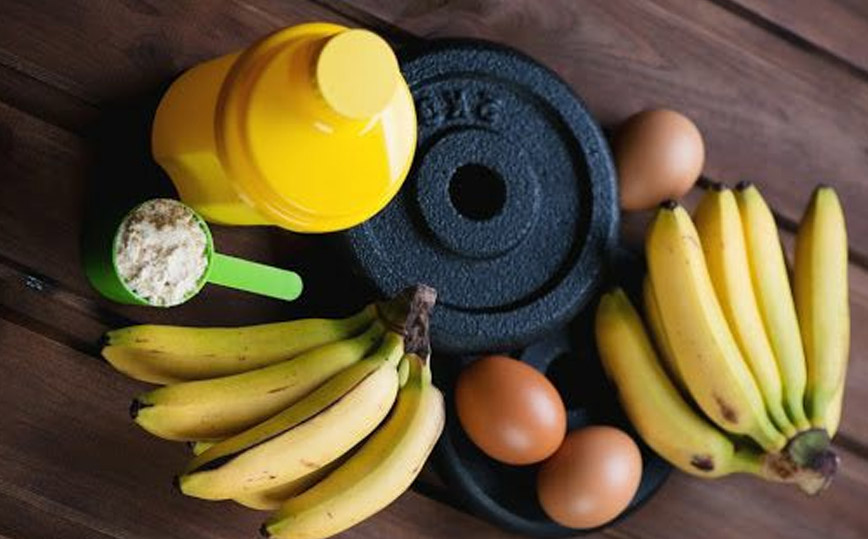
To gain weight, you need to eat more calories than your body uses – this is called a calorie surplus. Specifically, to gain 1 pound of body weight, you would need to eat 3500 calories in addition to what your body burns for energy.
Weight Gain Meal Plan Tips
- Your weight gain meal plan should focus on high-calorie foods spread throughout the day to keep you feeling full, but not so full that you skip meals and thus, calories. Below are a few tips to help when creating your weight gaining meal plan.
- Focus on eating smaller meals more frequently. This is especially important with older adults because as we age our appetite decreases. Aim to eat 3 meals and 3 snacks a day to keep calories up and weight loss down.
- Pay attention to when you drink fluids. Drinking fluids before meals fills your stomach, leaving little room for the meal itself. Aim to drink fluids after meals or choose high calorie smoothies and high calorie shakes as in-between meal snacks.
- Incorporate “fortified” foods. Fortified foods are high calorie foods that can be added to meals and snacks and include butter, cream, cheese, olive oil and whole milk.
Weight maintain
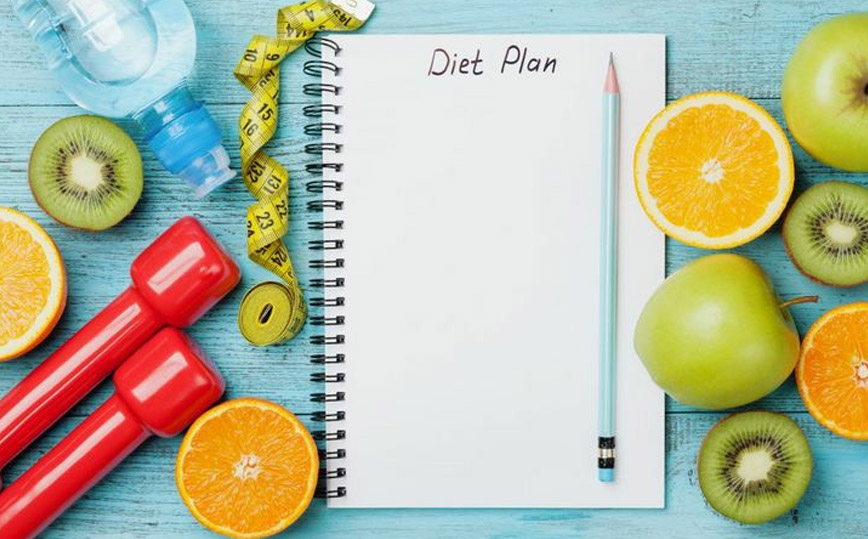
Unfortunately, many people who lose weight end up gaining it back. In fact, only about 20% of dieters who start off overweight end up successfully losing weight and keeping it off in the long term However, don’t let this discourage you. There are a number of scientifically proven ways you can keep the weight off, ranging from exercising to controlling stress. These strategies might be just what you need to tip the statistics in your favor and maintain your hard-won weight loss.
Why People Regain Weight
There are a few common reasons why people gain back the weight they lose. They are mostly related to unrealistic expectations and feelings of deprivation.
Restrictive diets : Extreme calorie restriction may slow your metabolism and shift your appetite-regulating hormones, which are both factors that contribute to weight regain.
Wrong mindset : When you think of a diet as a quick fix, rather than a long-term solution to better your health, you will be more likely to give up and gain back the weight you lost.
Lack of sustainable habits : Many diets are based on willpower rather than habits you can incorporate into your daily life. They focus on rules rather than lifestyle changes, which may discourage you and prevent weight maintenance.
- Regular exercise plays an important role in weight maintenance. It may help you burn off some extra calories and increase your metabolism, which are two factors needed to achieve energy balance.
- When you are in energy balance, it means you burn the same number of calories that you consume. As a result, your weight is more likely to stay the same.
- Several studies have found that people who do at least 200 minutes of moderate physical activity a week (30 minutes a day) after losing weight are more likely to maintain their weight.
- In some instances, even higher levels of physical activity may be necessary for successful weight maintenance. One review concluded that one hour of exercise a day is optimal for those attempting to maintain weight loss.
- It’s important to note that exercise is the most helpful for weight maintenance when it’s combined with other lifestyle changes, including sticking to a healthy diet.
- Weight maintenance may be easier to accomplish if you pay attention to the types and amounts of carbs that you eat.
- Monitoring your weight by stepping on the scale on a regular basis may be a helpful tool for weight maintenance.
Diet For Gymaholics & Sports Nutrition
Through the overall body analysis, our sports nutritionist tries to find out the exact calorie and energy necessity for your body, grounded on the sports you are in. We also take care if you are allergic or oversensitive to any food habit or element and try to replace that with another diet which can provide you with an equal supply of energy without bothering your healthiness differently. Our sport and fitness nutritionist analyses your current diet plans and food habits and tries to know where you are having much and also where you are lacking.
She also considers your daily practice and exercise routine to set the diet goals that work for you’re the best. Our sports nutritionist also keeps a watch upon the possible treats of diseases and ailments, which can affect you for being in particular sports practices and apply preventive measures through diets and nutrition. We have everything on our plate to offer your body.

At The Diet Xperts, we try to become your most preferred sports nutritionist in India, so that you can eat healthily and which is mandatory for your body to stay fit and active. We not only tell you what you must eat and what to avoid but do a lot more than what you expect us to do.

